
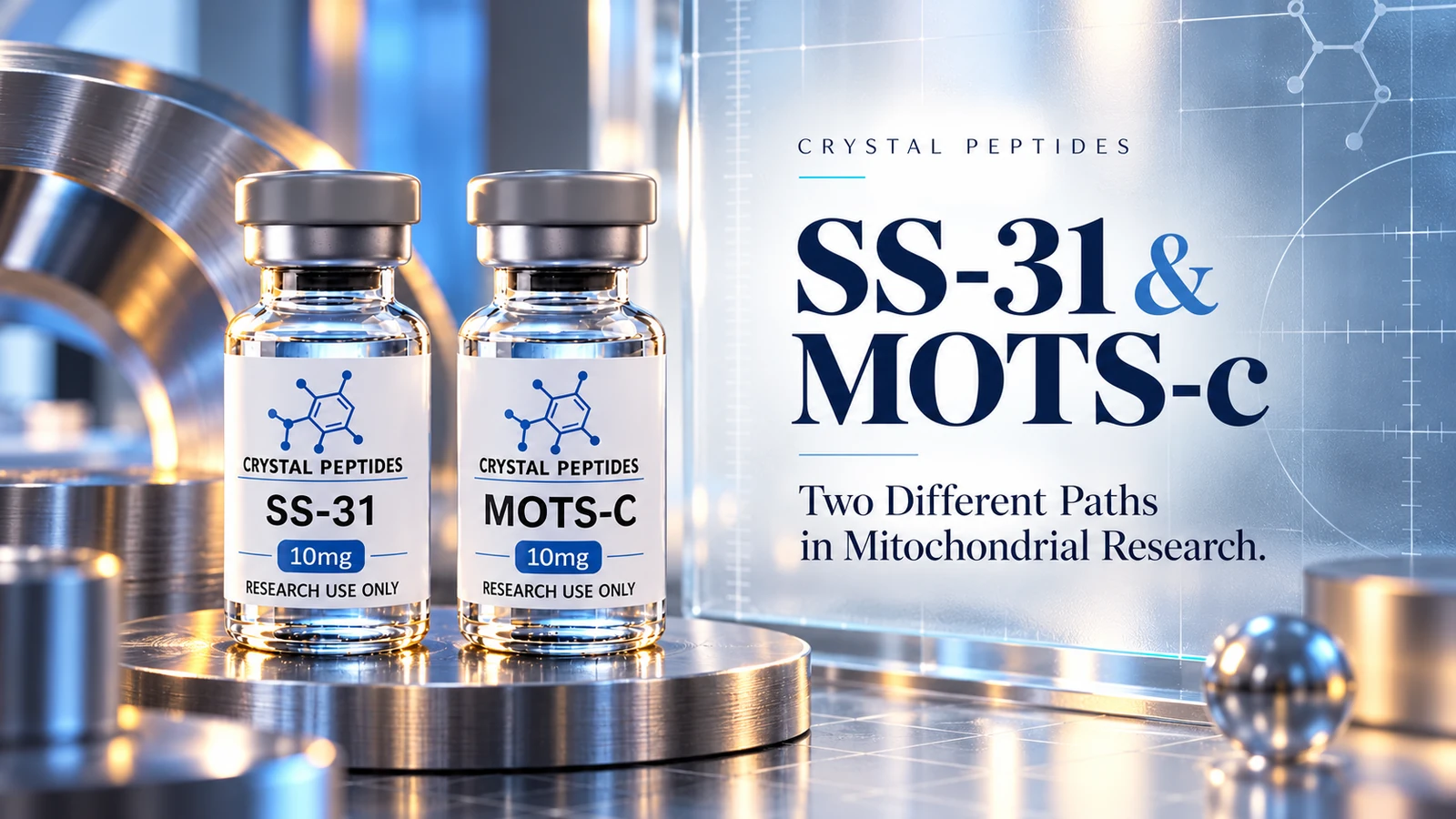
SS-31 in MOTS-c: dve različni poti raziskovanja mitohondrijev
SS-31 in MOTS-c se v razpravah o mitohondrijih pojavljata skupaj, vendar predstavljata različni znanstveni zamisli. SS-31, znan tudi kot elamipretid, so preučevali zaradi njegovega medsebojnega delovanja s kardiolipinom v notranji mitohondrijski membrani. MOTS-c je peptid mitohondrijskega izvora, ki ga raziskujejo kot signal, ki povezuje presnovne razmere s celičnimi odzivi. Skupna raziskovalna tema ne pomeni, da sta medsebojno zamenljiva.
Najkoristnejša primerjava se začne s tremi vprašanji: s čim posamezna molekula medsebojno deluje, kateri eksperimentalni sistemi so bili preučeni in kako daleč lahko te ugotovitve posplošimo? Ta vprašanja dajejo jasnejšo sliko kot preprosto opisovanje ene ali druge spojine kot »energijskega peptida«.
SS-31: preučevanje membranskega okolja
Proizvodnja energije v mitohondrijih je odvisna od urejenega membranskega okolja. Notranja membrana vsebuje beljakovine, ki prenašajo elektrone in pomagajo vzpostaviti gradient, potreben za proizvodnjo ATP. Kardiolipin je lipid, ki prispeva k temu okolju in medsebojno deluje z več njegovimi beljakovinami.
Pomemben partner je citokrom c. Njegova znana vloga je prenašanje elektronov med sestavnimi deli dihalne verige. V določenih razmerah pa lahko njegovo medsebojno delovanje s kardiolipinom spodbuja peroksidazno aktivnost: kemijske reakcije, ki lahko prispevajo k oksidaciji lipidov. To sta različni funkciji iste beljakovine, ne pa medsebojno zamenljivi merili zdravja mitohondrijev.
V mehanističnih poskusih z modelnimi membranami in pripravki izoliranih mitohondrijev so raziskovalci preučevali, kako SS-31 vpliva na to medsebojno delovanje. Njihovi rezultati so podprli določen mehanizem: SS-31 je omejil s kardiolipinom povezano peroksidazno aktivnost citokroma c, hkrati pa ohranil funkcijo prenosa elektronov. Raziskava je obravnavala tudi dihanje in sintezo ATP. To so bile biokemijske meritve in meritve na ravni organelov, ne pa dokazi o človekovem subjektivnem občutku energije ali vzdržljivosti. Birk in sodelavci, 2014.
Raziskava je koristna, ker povezuje medsebojno delovanje na membrani s funkcionalnimi meritvami. Ne dokazuje pa, da imajo vsa stanja, ki vključujejo utrujenost, enako osnovno motnjo ali da sprememba tega medsebojnega delovanja prinese klinično korist v vsaki populaciji.
MOTS-c: preučevanje presnovne komunikacije
MOTS-c je peptid iz 16 aminokislin, opisan na podlagi kratkega odprtega bralnega okvirja, povezanega z mitohondrijsko ribosomsko RNA 12S. Njegova prvotna opredelitev je povezala mitohondrijsko gensko informacijo z uravnavanjem presnove, namesto da bi prepoznala še eno strukturno sestavino dihalne verige.
Poskusi na celicah so nakazali vpletenost poti, povezanih z AMPK, regulatorjem celičnih odzivov na razpoložljivost energije. Poskusi na miših so preučevali občutljivost za inzulin in presnovne spremembe, povezane s prehrano z veliko maščobami. Te ugotovitve so skupaj začrtale raziskovalno smer: signal mitohondrijskega izvora bi lahko vplival na odzivanje celic in organizmov na presnovne razmere. Niso pa dokazale zdravljenja presnovnih bolezni pri ljudeh. Lee in sodelavci, 2015.
Poznejša raziskava je pokazala, da se lahko MOTS-c med presnovnim stresom premakne v jedro in vpliva na odzive izražanja genov. Peptidu, opisanemu kot »mitohondrijskega izvora«, torej ni treba delovati samo znotraj mitohondrijev. Njegov izvor in mesto delovanja sta ločeni vprašanji. Kim in sodelavci, 2018.
To primerjavi daje koristno razlikovanje na molekularni ravni. Raziskave SS-31 pogosto obravnavajo membranske mehanizme, ki podpirajo delovanje mitohondrijev; raziskave MOTS-c obravnavajo tudi komunikacijo med celičnimi razdelki. Noben opis ne zajame vseh poročanih učinkov, vendar sta oba bolj povedna kot skupna oznaka, povezana z energijo.
Kaj pomenijo ugotovitve o telesni vadbi
Raziskava iz leta 2021 je v majhni skupini mladih moških merila naravno prisotni MOTS-c v času okoli telesne vadbe. Isti članek je vključeval poskuse z dajanjem MOTS-c mišim. To sta povezani, vendar različni obliki dokazov: opazovanje endogenega odziva pri ljudeh ne kaže, da dajanje peptida pri ljudeh poustvari koristi telesne vadbe. Reynolds in sodelavci, 2021.
To razliko zlahka spregledamo, kadar članek vključuje več eksperimentalnih sistemov. Del raziskave pri ljudeh lahko ugotovi, da se izmerjeni biološki odziv pojavi med telesno vadbo. Poseg pri živalih lahko preveri posledice dajanja peptida v razmerah tega modela. Noben del drugega ne spremeni v preskušanje zdravljenja pri ljudeh.
SS-31 ima posebno klinično zgodovino
Elamipretid je iz laboratorijskih poskusov napredoval v klinični razvoj. V TAZPOWER, majhni randomizirani navzkrižni raziskavi pri Barthovem sindromu, v kontrolirani fazi nista bila dosežena dva primarna opazovana izida: zmogljivost pri hoji in utrujenost. Pozneje so med odprtim podaljšanjem raziskave poročali o izboljšanjih. Bistveno je poročati o obeh delih. Primarno poročilo raziskave TAZPOWER.
Randomizirana primerjava in podaljšanje odgovarjata na različni vprašanji. Med odprtim podaljšanjem udeleženci in raziskovalci vedo, katero zdravljenje prejemajo, hkrati pa ni sočasne skupine s placebom, glede na katero bi lahko presojali spremembe. Daljše opazovanje je lahko dragoceno, ne da bi zagotavljalo enako zaščito pred alternativnimi razlagami kot kontrolirana primerjava.
Ameriška FDA je 19. septembra 2025 po pospešenem postopku odobrila Forzinity, zdravilo z elamipretidom, za izboljšanje mišične moči pri odraslih in pediatričnih bolnikih z Barthovim sindromom, ki tehtajo najmanj 30 kg. Pospešeni postopek zahteva potrditev klinične koristi. Ta regulativna odločitev se nanaša na določeno zdravilo, indikacijo in populacijo — ne na SS-31 raziskovalne kakovosti za splošno utrujenost, zmogljivost ali dolgoživost. Obvestilo FDA podaja regulativni okvir, ne pa dokazov, da so vsi izdelki z imenom te molekule enakovredni.
Primerjava, ki ohranja meje dokazov
| Vprašanje | SS-31 / elamipretid | MOTS-c |
|---|---|---|
| Molekularno težišče v navedenih raziskavah | Kardiolipin in delovanje notranje membrane | Presnovno signaliziranje in prilagajanje stresu |
| Laboratorijske meritve | Prenos elektronov, dihanje in sinteza ATP | Izražanje genov, odzivi, povezani z AMPK, in ravnanje z glukozo |
| Tukaj obravnavani dokazi pri ljudeh | Intervencijske raziskave pri določeni bolezni in ozko opredeljena odobritev zdravila | Endogeni odzivi, izmerjeni v času okoli telesne vadbe |
| Nepodprto posploševanje | Splošno obnavljanje energije | Dokazano nadomestilo za telesno vadbo pri ljudeh |
Raziskave ne omogočajo neposredne razvrstitve po učinkovitosti in ne dokazujejo koristi kombiniranja teh spojin. Poskus delovanja membrane in poskus presnovnega signaliziranja zahtevata različne opazovane izide in razlage, tudi če oba obravnavata mitohondrije. Koristen sklep ni, da je en peptid vedno boljši: vsaka znanstvena trditev mora ostati vezana na molekulo, model in meritev, iz katerih izhaja.
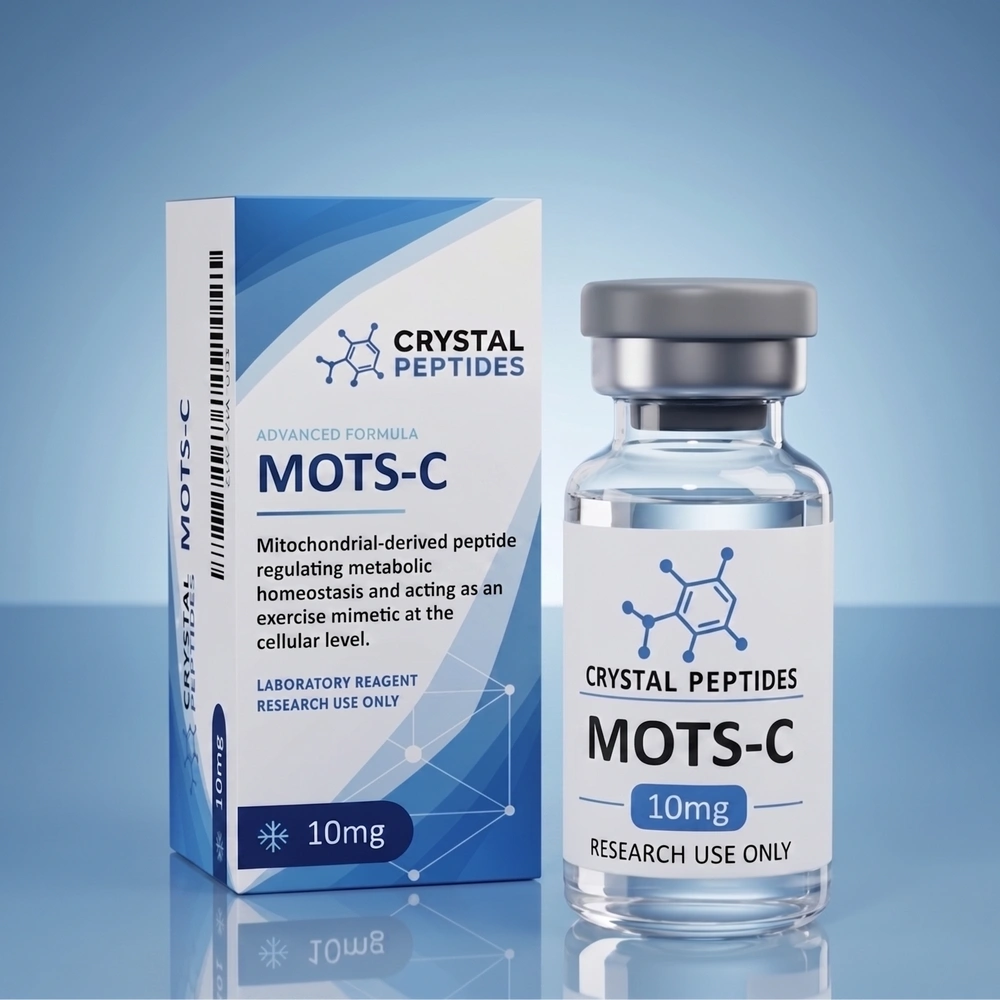
Raziščite izdelke iz tega članka
Vsi izdelki dosegajo več kot 99 % čistost, izdelani so v certificiranem laboratoriju EU in opremljeni z laboratorijskim poročilom.

Izjava o omejitvi odgovornosti za raziskovalne vsebine
Ta članek je samo v informativne in raziskovalne namene. Vsebina ni mišljena kot zdravniški nasvet, diagnoza ali priporočilo za zdravljenje.
Sorodni članki

GHK-Cu in AHK-Cu: kaj se spremeni, ko se zamenja ena aminokislina?
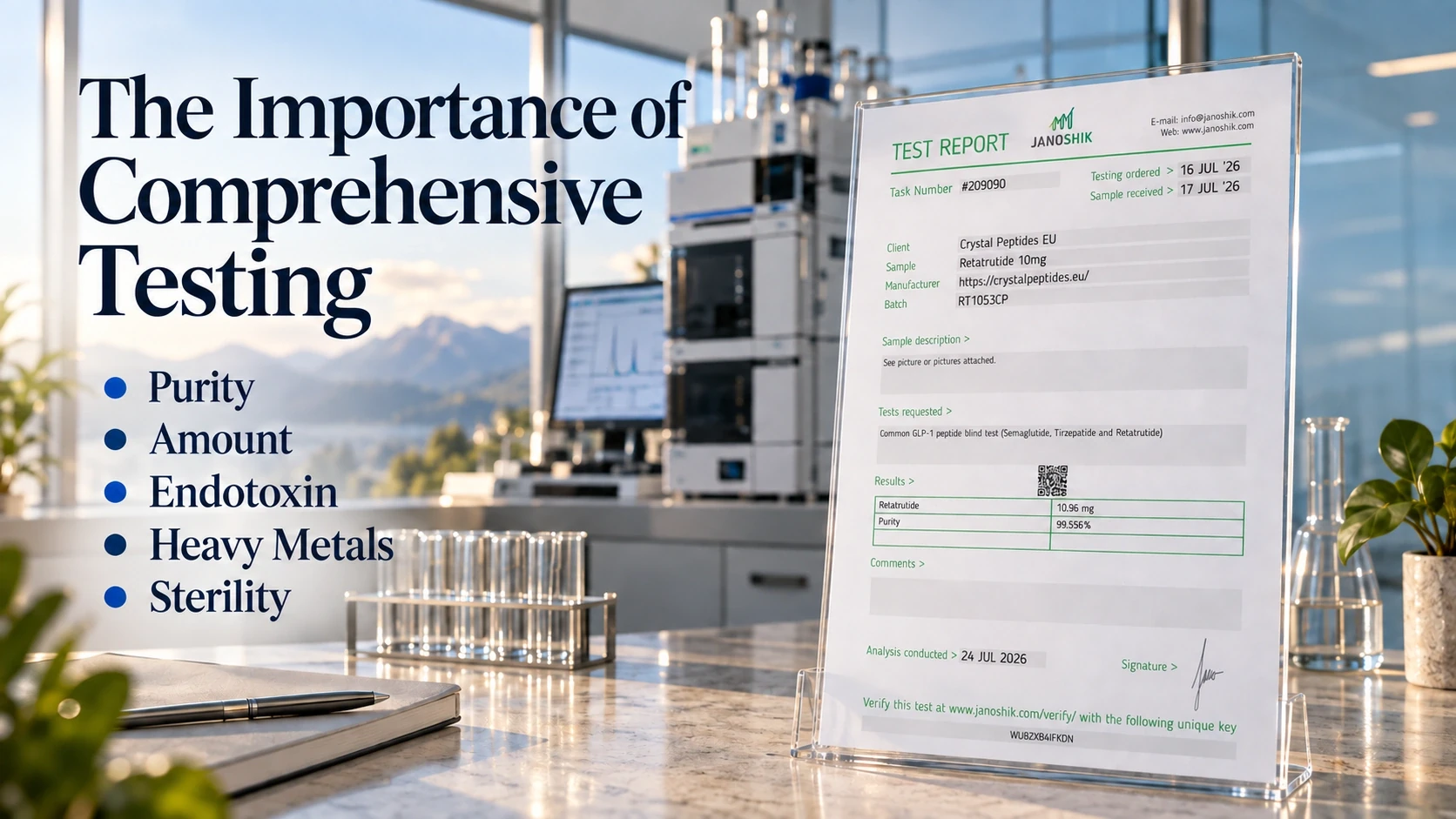
Pomen celovitega testiranja: čistost, količina, endotoksini, težke kovine in sterilnost